
Sustainability statements vary in scope and format depending on the local planning authority – some require detailed coverage across energy, water, ecology, biodiversity and transport, while others focus on a smaller set of topics. Requirements are driven by local plan policy, not national guidance, which means a generic report risks refusal.
What is a Sustainability Statement for Planning?
A sustainability statement forms a crucial part of many planning applications. With the right approach, a well-written statement can ensure a smooth and successful passage through to approval. The aim is to demonstrate how a development will address specific local policies – covering CO₂ emissions, renewable energy, water efficiency, flood risk and more.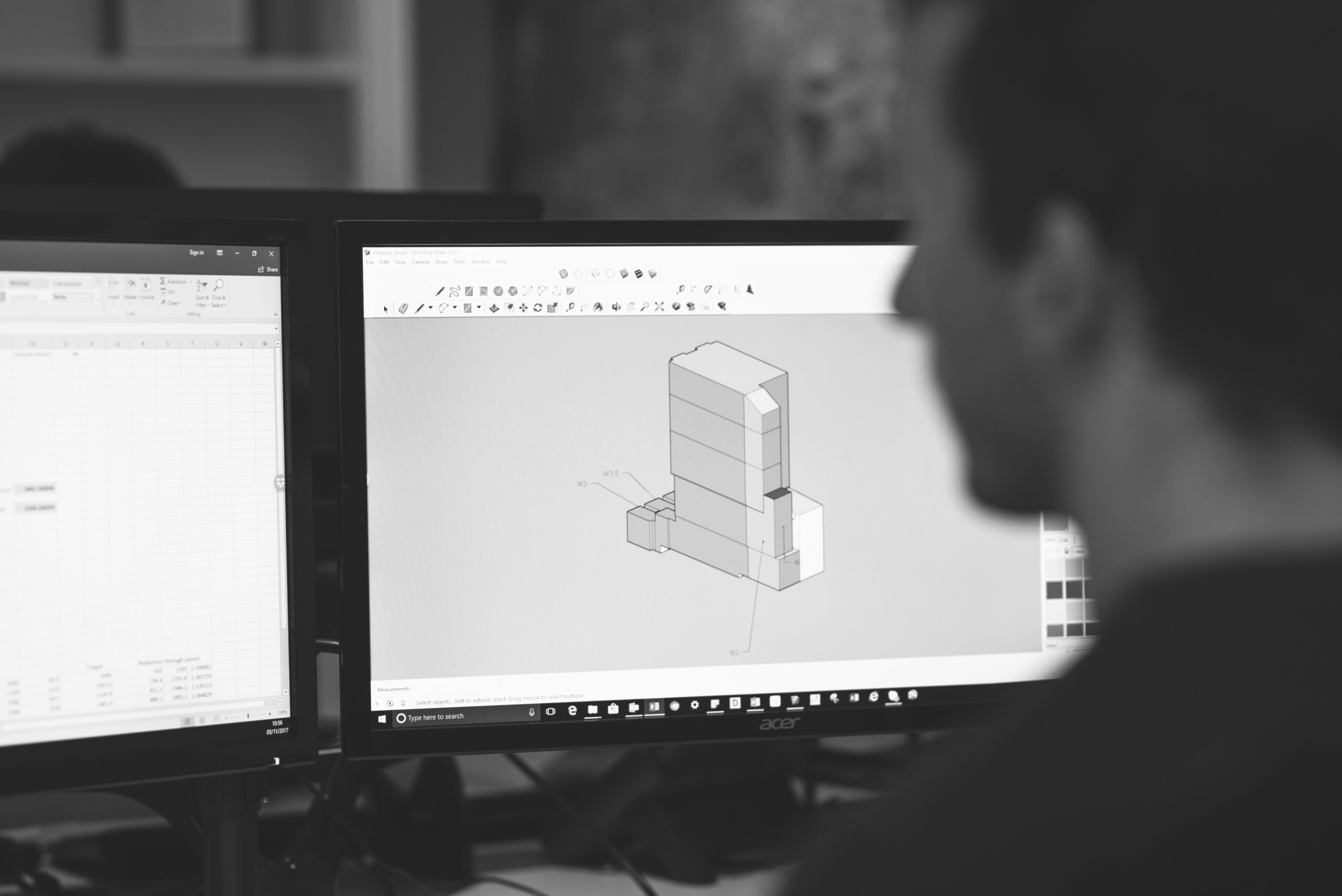
It is worth noting that sustainability statements appear under different names depending on where you are building. Some planning authorities call them a Sustainable Construction Statement, a Green Statement, or an Environmental Statement. Whatever the label, the purpose is the same.
The sustainability statement will generally be prepared at pre-planning stage and accompany the final application. Planning departments may also request one as a pre-application condition before granting permission.
What Does a Sustainability Statement Cover?
A sustainability statement demonstrates how a scheme will address core sustainability policies set by the local planning authority. Before producing a report, Build Energy will:
- Review the local authority policy documents
- Request pre-planning advice or a pre-app meeting where appropriate
- Speak directly with the planning department to clarify requirements
Depending on local guidance, a sustainability statement will typically address energy performance, water efficiency, flood risk assessment, ecology and biodiversity, transport and accessibility, and construction waste management. Developers in London must also address the London Plan requirements, including Zero Carbon Homes targets on major residential developments.
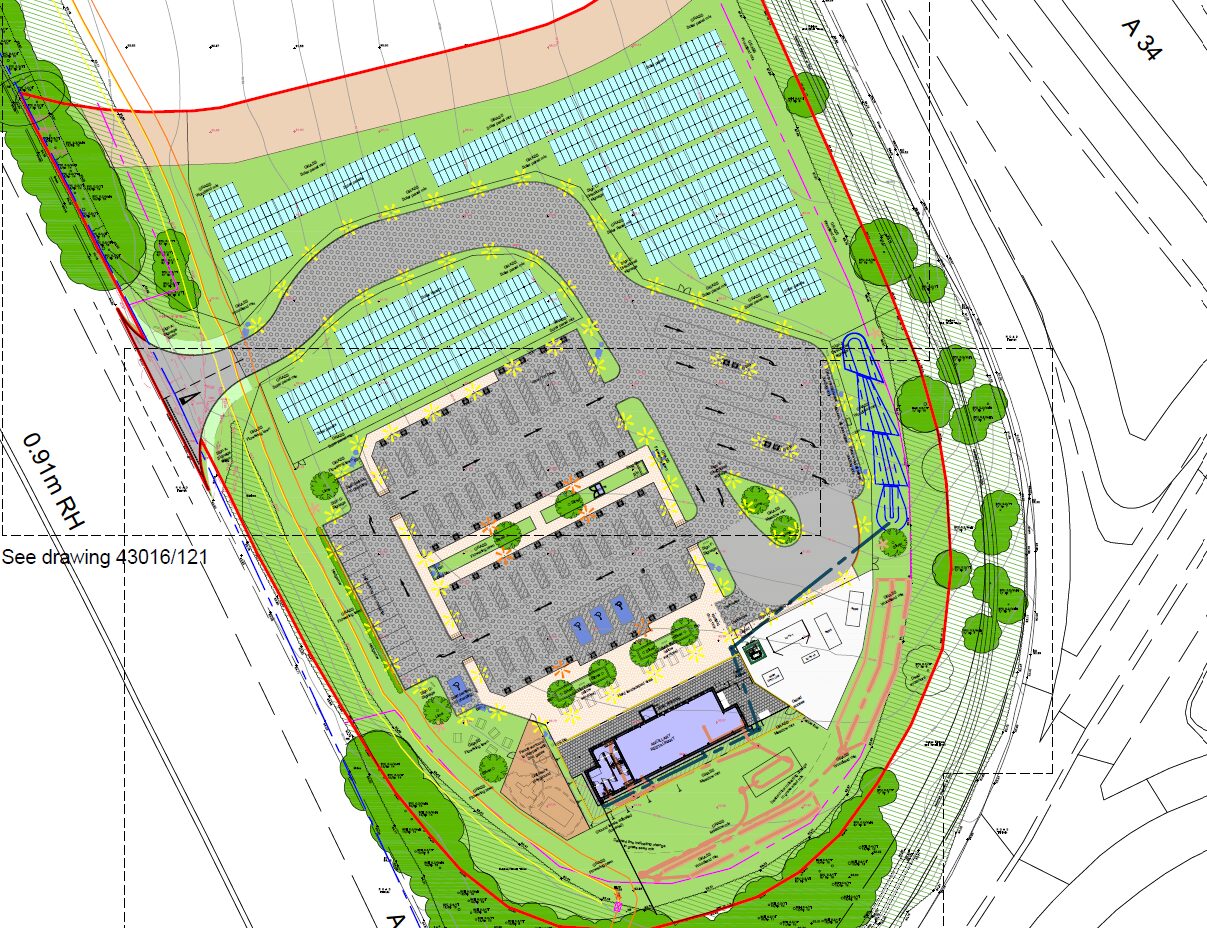
Sustainability Statements Tailored to Your Authority
For the energy sections, we typically use SAP calculations on residential schemes and SBEM calculations on non-domestic buildings. These also satisfy building regulations requirements at a later stage.
Any sustainability statement must be targeted to your specific planning authority. Generic reports serve no purpose to design teams – they risk a flat refusal and provide no useful design guidance. Build Energy always produces bespoke documents written around your local policy context.
Beyond energy, we consider water efficiency measures, flood risk assessments, sustainable drainage (SUDS), ecology surveys, and accessible transport planning. Wider measures to reduce construction and demolition waste will also be addressed where relevant. We may look in detail at natural lighting design, flexible use layouts, and whole-life adaptability – all increasingly common requirements in local planning policy.
Where an energy statement is also required alongside the sustainability statement, we can produce both documents together. See our energy statement services for more information.
Frequently Asked Questions
What is a sustainability statement for planning?
A sustainability statement is a document submitted with a planning application that demonstrates how a development addresses the local planning authority’s sustainability policies. It typically covers energy and carbon emissions, water efficiency, ecology and biodiversity, flood risk, waste management, and transport. Requirements vary significantly between councils, so a report must be tailored to your specific authority rather than produced from a generic template.
When is a sustainability statement required?
Most major planning applications – typically 10 or more residential units, or commercial developments over 1,000m² – will require a sustainability statement. Some local authorities require them for smaller schemes too, particularly in areas with strong green planning policies or where specific local plan requirements apply. Build Energy can review your project details and local planning policy to confirm what is required before you submit.
What is the difference between a sustainability statement and an energy statement?
An energy statement focuses specifically on the energy performance and carbon emissions of a development. A sustainability statement is broader – it covers all aspects of environmental performance including water, waste, ecology, transport and biodiversity, alongside energy. Some councils require both as separate documents; others require a combined Energy & Sustainability Statement. Build Energy can produce either or both.
Do I need a sustainability statement for the London Plan?
Yes – major developments in London must comply with the London Plan, which includes specific sustainability requirements. These include demonstrating Zero Carbon Homes compliance for residential schemes, meeting the energy hierarchy (be lean, be clean, be green), and addressing climate change resilience. Build Energy has extensive experience producing London Plan-compliant sustainability statements and energy assessments for Greater London Authority referrals.
Call 0330 055 34 05 · email be@buildenergy.co.uk · or tell us about your project →