
SBEM calculations for new build projects must be completed at both design stage and on completion of construction. The design stage calculation is needed to obtain Building Regulations approval; the as-built calculation is required before a completion certificate and non-domestic EPC can be issued. For a full explanation of the methodology, see our guide to what SBEM calculations are and how they work.
What are SBEM Calculations for New Build?
SBEM is the government-approved compliance methodology for non-domestic buildings under Part L2A of the Building Regulations. Whether you are part of the early design team or an onsite contractor, working with an experienced assessor will smooth the process, reduce risk and minimise costs.
Design Stage Requirements
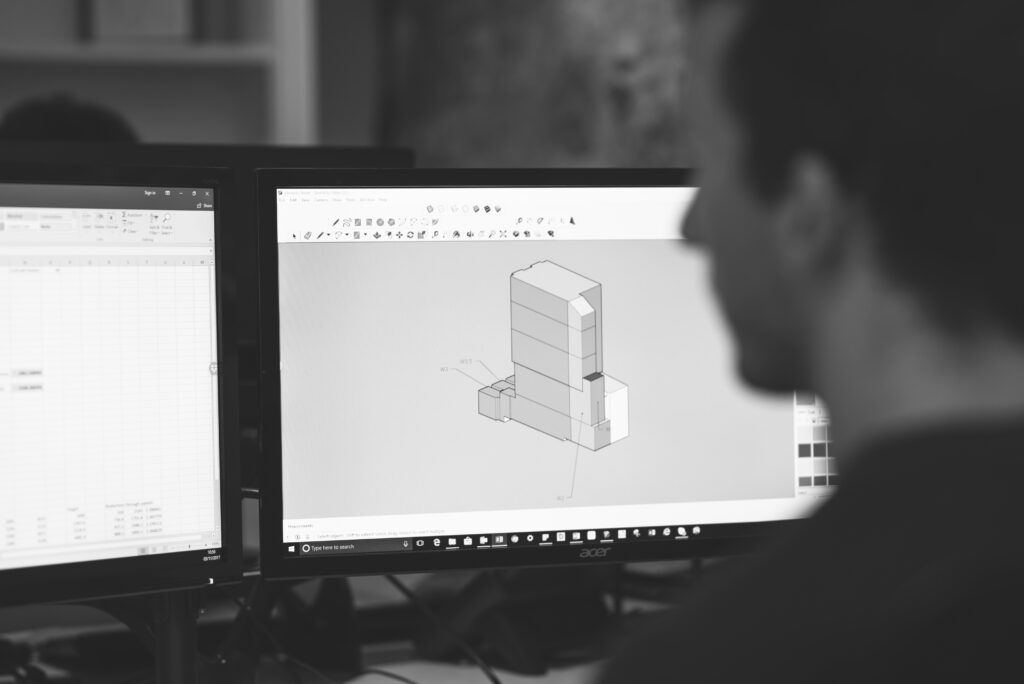
At design stage, your assessor uses SBEM software to produce a BRUKL compliance report. This document demonstrates three things: how the building’s predicted Carbon Dioxide Emission Rate (BER) compares against the Target Emission Rate (TER); whether the building fabric and fixed services meet minimum standards; and how solar gains across the building’s zones are controlled to limit overheating.
Both design stage and as-built BRUKL reports must be submitted to Building Control. The as-built submission also triggers the non-domestic EPC for the completed building.
Benefits Beyond Basic Compliance
Working with Build Energy at Design Stage
Compliance is only part of the story. Build Energy works alongside design teams from RIBA stages 2–4 to help shape a design that meets the regulations and supports more ambitious
sustainability targets. Early involvement means the assessor can offer practical advice, suggest cost-effective solutions and maximise opportunities to reduce energy demand before construction starts.
SBEM Calculations and the Non-Domestic EPC
New non-domestic buildings require an EPC. Build Energy produces this directly from the same assessment model that generates the BRUKL report, so no additional survey or data collection is needed. The EPC rates the building on its carbon emissions to allow comparisons across different buildings.Dynamic Simulation Modelling
For buildings with complex or bespoke HVAC systems, Build Energy can use Dynamic Simulation Modelling (DSM) as the compliance route. DSM is more advanced than standard SBEM, uses fewer default values, and enables greater analysis of daylighting, overheating and heat loss for building services sizing. In many cases, DSM produces a better-performing result, reducing over-specification and lowering construction costs.
SBEM Calculations for Large Extensions
Large extensions to non-domestic buildings must also meet Part L2A requirements. An extension qualifies if it has a total useful floor area greater than 100 m² and this exceeds 25% of the existing building’s total useful floor area. Build Energy handles Part L2A SBEM for new build extensions alongside new build projects. For extensions and changes of use on existing buildings, see our SBEM Assessment Services page. For residential projects, see our guide to SAP calculations.
Frequently Asked Questions
Do all new commercial buildings require SBEM calculations?
Yes. Under Part L2A of the Building Regulations, all new non-domestic buildings in England and Wales must demonstrate compliance through SBEM calculations. You need a design-stage calculation to gain Building Regulations approval and an as-built calculation to confirm compliance after construction.
What information is needed for a new build SBEM calculation?
We need architectural drawings (floor plans, elevations and sections), construction specifications (U-values for walls, roof, floor and glazing), and mechanical and electrical services information including heating, cooling, ventilation and lighting. The more complete the information, the faster and more accurate the assessment.
Can SBEM help improve my building design?
Yes. Running SBEM at design stage lets you test different specifications before construction begins. This means you can identify the most cost-effective route to compliance and avoid expensive alterations later in the project.
Does a new build SBEM calculation produce an EPC?
Yes. An SBEM assessment for a new non-domestic building produces a non-domestic EPC. This is a legal requirement for most new commercial buildings before they are occupied or marketed.
What happens if my building fails SBEM at design stage?
Build Energy will advise on the changes needed – such as improving insulation specifications, upgrading glazing or specifying more efficient M&E systems – and rerun the calculation until the building passes.
Call 0330 055 34 05 · email be@buildenergy.co.uk · or tell us about your project →