
Smoke shaft testing is a pressurisation test applied to the smoke control shaft in a tall residential building. Building Regulations Approved Document B requires the shaft to maintain correct pressure differentials, keeping escape routes clear of smoke during a fire. Testing takes place after system commissioning and before final Building Control sign-off.
What is Smoke Shaft Testing?
Smoke shafts can save lives. In the event of a fire, their purpose is to vent smoke from corridors, stairwells, and other common areas. This in turn increases visibility and reduces some of the dangers of smoke inhalation. To ensure shafts extract smoke effectively, we need to demonstrate that the shafts are airtight, and we can do this with a smoke shaft test.
Air Tightness Specifications
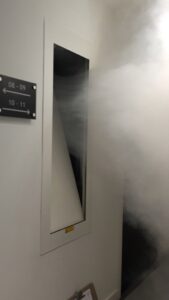
Most smoke shafts are designed to be below the leakage rate of 3.8m3/hr/m2 at 50 Pa, which is the Colt recommendation and now the industry standard. These do differ on some projects though, so it is important that you have a confirmation of the specification before works begin.
Smaller envelope areas generally deliver a more ‘leaky’ air-tightness test, and smoke shafts can have a very small envelope area. As a result, smoke shafts are at a very high risk of failure, so an effective air-tightness strategy must be in place during each stage of construction.
If the air test shows that the shaft fails to meet the requirements, remedial work inside the shaft is most commonly the solution. This can become very complicated and costly due to the restricted size of the working area, which often requires rope access and even Confined Space Training. Due to the remedial sealing logistics often presenting significant problems, it is recommended that consultancy advice is sought at an early stage, which we can provide.
| Benchmark | Air Leakage Limit | Test Pressure | Notes |
|---|---|---|---|
| Industry standard (CIBSE / Colt) | ≤3.8 m³/hr/m² | 50 Pa | Most widely specified for residential smoke shafts |
| Project specification | Per smoke ventilation design | 50 Pa | M&E engineer or designer may set tighter targets |
| Approved Document B | Correct pressure differential | Per design | Lobby and staircase doors must achieve the required pressure differential |
Smoke Shaft Testing Process
Air tightness testing for a smoke shaft is very similar to a standard building air permeability test, but the complications for diagnostics mean it will benefit from a more experienced testing engineer.
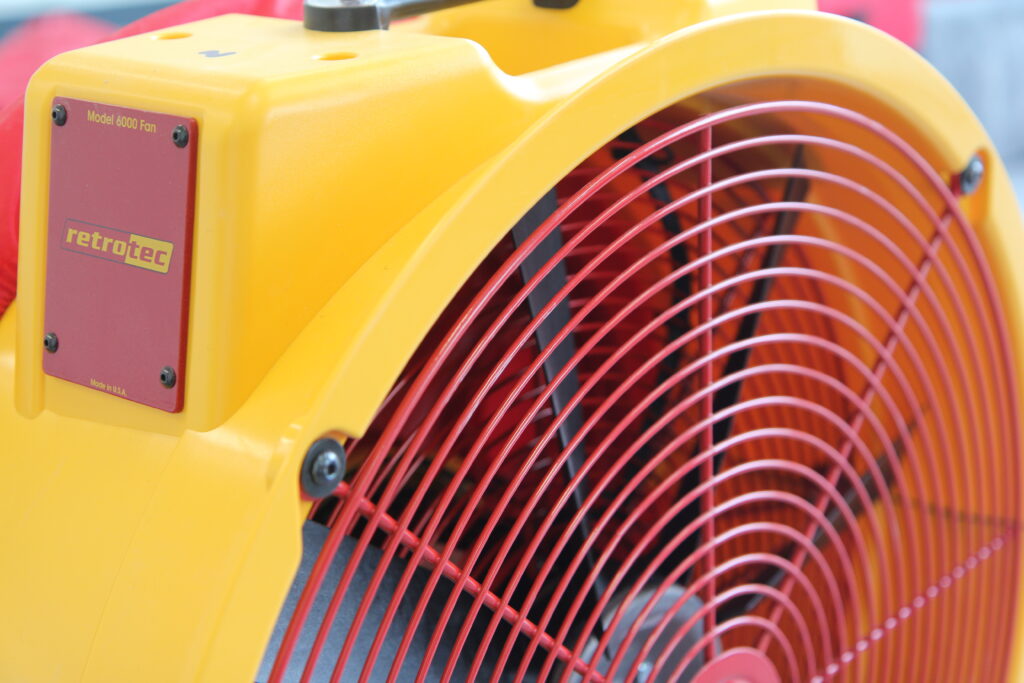
As with a building test, engineers test the shaft using a calibrated fan that can fit into one of the openings. The best approach is to test when the shaft is complete and the Automatic Opening Vents (AOVs) are temporarily sealed using tape, Corex or Celotex, rather than relying on dampers. These are best sealed from the inside, so you may benefit from not having the AOVs installed at the time of the test.
 When it comes to diagnosing failures, access to the inside of the shaft is not possible, so smoke generating machines help identify the more significant problem areas.
Strategies for Air Tight Smoke Shafts
So how do we get the required level of air tightness? As shafts are at such a high risk of failure, you should seek the advice of experienced consultants early on in the process.
Regardless of the building materials, the best approach is often to treat the inside of the shaft as the primary air seal line. As such, the finish inside should be smooth and conscientiously sealed at all junctions and joints.
If there is an internal plasterboard finish, seal it thoroughly across every joint and screwhead, again paying attention to all junctions and penetrations.
If there is any ductwork or structural materials penetrating the inside line of the shaft, you will need to instruct each contractor on the importance of having a good and continuous seal, paying particular attention to areas that are going to be hard to reach after installation e.g. when a steel support may be flush against a wall junction.
The frames or architraves around the AOV openings often present a leakage path for air, and so should be mastic sealed across the entire perimeter on the inside of the shaft.
Cable and Conduit Penetrations
Seal cable penetrations effectively throughout the construction, with a proactive approach encouraged of all contractors carrying out the works. This is especially important in small smoke shafts. Large bunches of penetrating cables should be discouraged in favour of having a separate penetration for each cable. This approach will enable a good seal to be created with the application of mastic.
Any cable penetrations behind electrics fittings and control panels need to be effectively sealed before the panel is closed. Make sure that any installation contractors are aware of the importance of this, as a call-out to remedy this can be costly and time-consuming.
With conduits, as well as sealing around where they penetrate the wall, it is best practice to seal them inside too. Open the conduit where it penetrates the wall for the best effect.
Related Services
For building fabric air tightness, see Air Tightness Testing. If you have underfloor plenum systems, see Plenum Testing. If you need design-stage guidance, see Air Tightness Consultancy. Return to the Air Tightness services hub.
Frequently Asked Questions
What is smoke shaft testing?
Smoke shaft testing verifies that smoke ventilation shafts, lobbies and AOV systems in residential buildings achieve the pressure differentials required by Approved Document B to protect escape routes from smoke migration. Building Regulations require this for all new tall and medium-rise residential buildings with protected lobbies or common corridors.
Why is smoke shaft testing required in tall residential buildings?
In buildings over 18 metres, you must test the shaft and lobby pressurisation system to confirm it delivers the correct pressure differential across lobby and staircase doors. This is a life safety requirement checked by building control as a condition of completion.
What does the smoke shaft test involve?
The test measures pressure differentials across lobby and staircase doors with the AOV system activated, and checks leakage through shaft walls and ductwork using calibrated fan and pressure equipment in line with CIBSE guidance and the smoke ventilation designer’s specification.
When should you carry out smoke shaft testing?
Carry out testing after all building fabric, AOV systems, doors and fenestration are complete, but before final commissioning sign-off. We recommend co-ordinating with the M&E team to ensure the AOV control system is fully operational before testing begins.
What if the smoke shaft system fails its test?
Build Energy identifies the likely causes – shaft wall leakage, underperforming fans, poorly sealed penetrations or control system faults – and works with the design team and contractor on a remediation approach before retesting.
What is a smoke shaft?
A smoke shaft is a vertical duct designed to extract smoke from protected lobbies, common corridors, and stairwells in tall and medium-rise residential buildings, keeping escape routes clear during a fire. Approved Document B requires smoke shafts in buildings over 18 metres to achieve specific pressure differentials across lobby and staircase doors, which are verified through smoke shaft testing before Building Control sign-off.
What is the difference between smoke shaft testing and smoke vent testing?
Smoke shaft testing and smoke vent testing refer to the same pressurisation test applied to smoke control systems. The terms are used interchangeably within the industry. Both assess whether the shaft and AOV system achieve the pressure differential and air leakage performance required under Approved Document B and the smoke ventilation designer’s specification.
Which building regulations cover smoke shaft testing?
Smoke shaft testing is required under Approved Document B (Fire Safety) of the Building Regulations, which sets out requirements for smoke control in residential buildings over 18 metres. The standard is also informed by CIBSE guidance, BS EN 12101-6 (smoke control systems using differential pressure), and the smoke ventilation designer’s commissioning specification for each project.
Call 0330 055 34 05 · email be@buildenergy.co.uk · or tell us about your project →