
Under Part L2B of the Building Regulations, extensions, major refurbishments and changes of use to existing non-domestic buildings must demonstrate compliance with energy performance requirements. Work to existing buildings must always meet minimum standards for fabric (U-values) and building services, with limitations on the areas of windows, doors and rooflights. Build Energy provides SBEM assessments for all three scenarios, working with design teams and contractors from early design through to Building Control sign-off.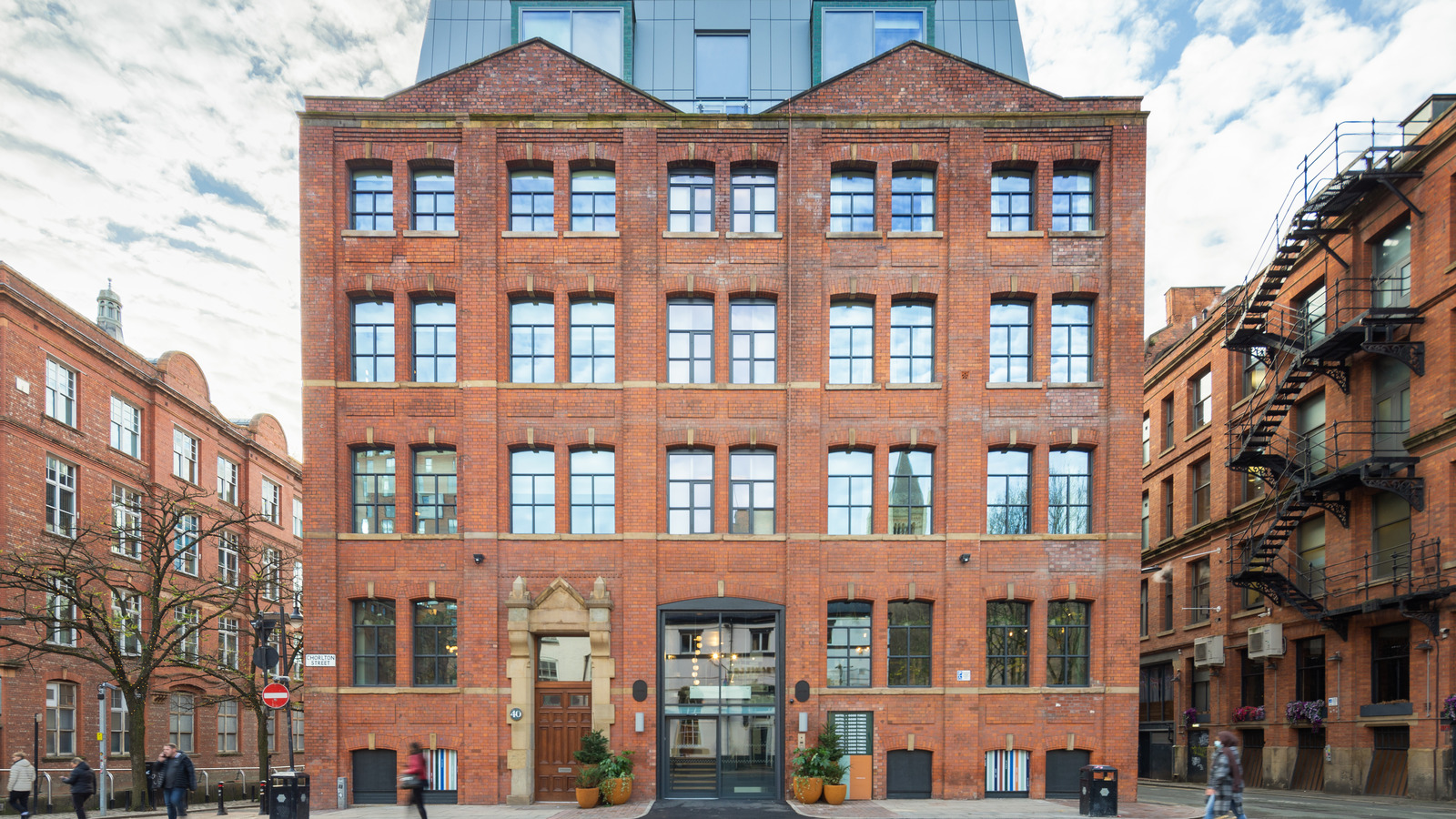
What are SBEM Calculations for Existing Buildings?
Where an existing building cannot meet minimum fabric, services or glazing standards, compliance can still be demonstrated by compensating elsewhere. Build Energy uses SBEM to model this compensation method, showing that the overall Carbon Dioxide Emission Rate for the proposed works is no higher than the target.
Large extensions – where floor area exceeds 100 m² and represents more than 25% of the existing building – are treated as new builds and must meet Part L2A requirements. For those projects, see our SBEM Calculations for New Build page.
Working with Build Energy at Design Stage
Build Energy works with design teams from RIBA stages 2–4. By addressing compliance early, we can maximise opportunities to reduce energy use and identify cost-effective solutions before construction begins. At technical design stage we carry out an initial assessment to determine an estimated EPC rating and, where required, demonstrate the CO₂ compensation method for any elements that cannot meet minimum standards.
On completion, we collect evidence of the final specification, produce the EPC, and prepare all final reporting and certification for submission to Building Control or your planning authority.
Energy Performance Certificates
Non-domestic buildings require an EPC when sold, rented, or constructed (including some modifications). If a building is being sold or rented and does not have a current EPC – they are valid for 10 years – Build Energy can carry out an SBEM assessment to produce one.
Where a building is modified to create an additional part designed for separate occupancy, Building Control may also require an EPC. For residential projects requiring energy performance assessments, see our guide to SAP calculations.
Frequently Asked Questions
When do existing buildings need SBEM calculations?
SBEM calculations are required for extensions and major refurbishments to existing non-domestic buildings under Part L2B of the Building Regulations. This typically applies to extensions over a certain size and projects involving significant changes to the building fabric or services.
What is the difference between design-stage and as-built SBEM for an existing building?
The design-stage SBEM uses proposed specifications to demonstrate compliance and is submitted with the Building Regulations application. The as-built SBEM is completed once construction is finished, confirming the actual building performs as specified – it is required before the project can be signed off.
Do I need an SBEM for a change of use?
Yes, in many cases. If a building changes to a use with a higher energy demand – for example from storage to office use – Part L2B requires an SBEM calculation demonstrating that the energy performance meets current standards for the new use.
Can you carry out SBEM for a listed building or conservation area property?
Energy performance requirements can be relaxed for listed buildings and buildings in conservation areas where compliance would unacceptably alter their character. We can advise on whether exemptions apply and help you demonstrate this to Building Control.
What information do you need for an existing building SBEM?
We need existing drawings showing the areas affected, specifications for new or upgraded fabric elements (walls, roof, glazing), and details of any changes to heating, cooling, ventilation or lighting. Previous EPC data or earlier SBEM outputs can also be helpful where available.
Who provides SBEM calculations for existing buildings in the UK?
SBEM calculations for existing non-domestic buildings must be carried out by an accredited energy assessor using approved SBEM software. Build Energy’s assessors provide design-stage and as-built SBEM calculations for extensions, refurbishments and changes of use across the UK, producing the compliance reports and EPCs required for Building Regulations sign-off under Part L2B.
Call 0330 055 34 05 · email be@buildenergy.co.uk · or tell us about your project →