
SAP calculations for conversions are required under Part L of the Building Regulations when a non-residential building is converted to create new dwellings – including barn conversions, office-to-residential change of use, and commercial units converted to flats. The assessment demonstrates that each new dwelling meets the Target Emission Rate, applying the same compliance route as new build dwellings but taking account of the retained existing structure. Build Energy’s accredited SAP assessors cover all conversion types across England, Wales, and Scotland.
How Does it Work?
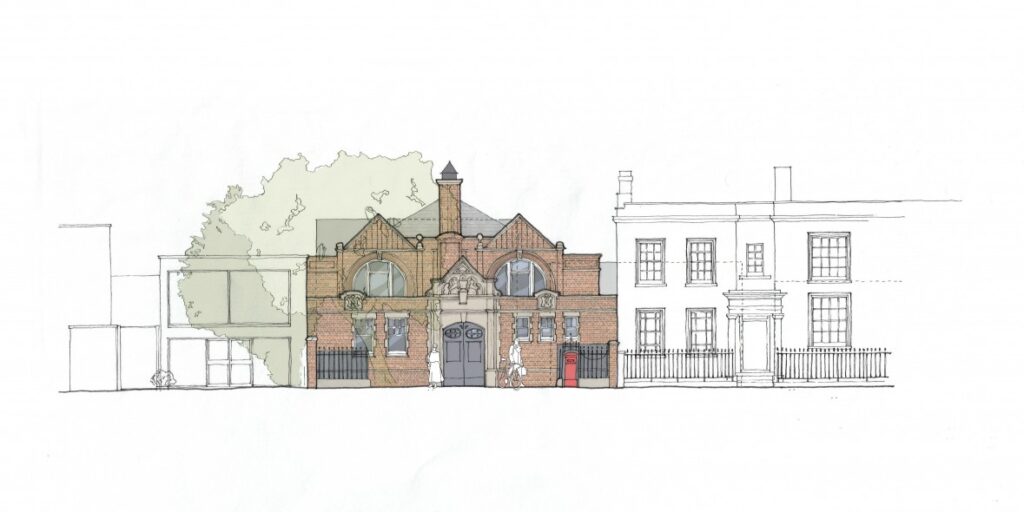 We undertake SAP calculations from existing and proposed plans, and a detailed specification for construction and services. The assessment is carried out from our offices so there is no need to visit site or carry out any surveys.
There are several routes to demonstrate compliance and we will work closely with the client to make this as easy and pain free as possible. The assessment takes place over two stages – design, where we ensure that the proposed design meets the L1b requirements, and as-built, where we issue final reporting and an EPC for any newly created dwellings.
We will ensure that both new and existing elements are up to scratch, identifying how existing walls, floors and roofs may be upgraded and how new features such as heating and insulation should best be integrated.
We work with you right throughout the build process, from start to finish, and we are always on call to provide guidance and advice.
Part L SAP Calculations – Experience Counts
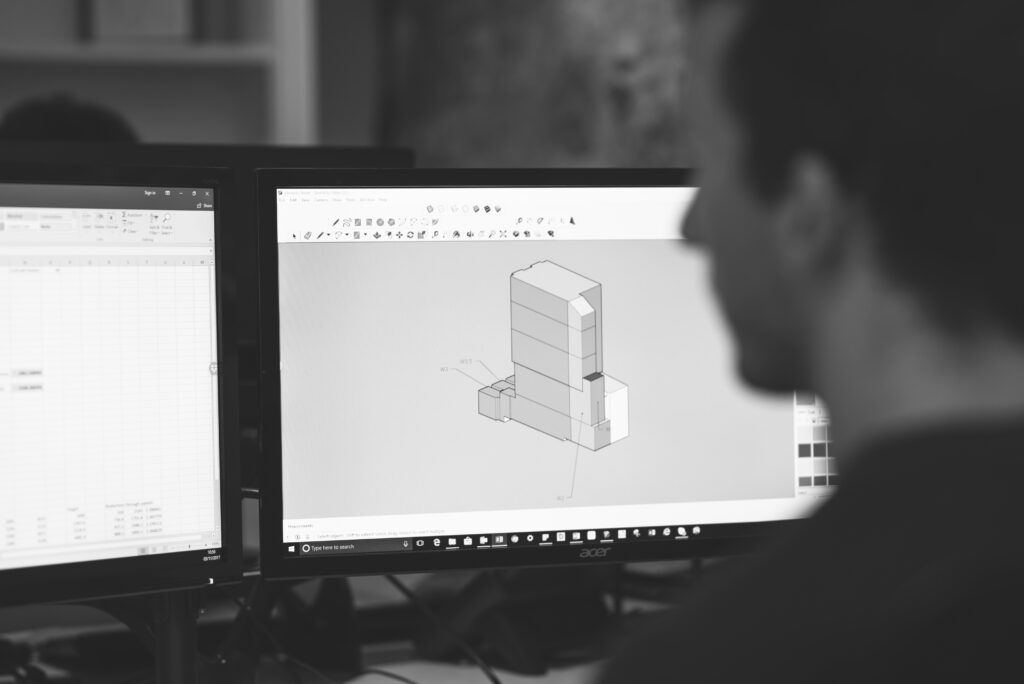 Build Energy have extensive experience in dealing with conversion schemes all over the UK and can provide you with all the help you need from concept to completion.
We’ve helped hundreds of architects, contractors and developers in delivering commercially viable, sustainable and environmentally conscious developments. See recent examples on our project pages, like the Hoover Building. At BE we take a coordinated, joined up approach to guide you through the crucial phases of a build from planning to technical design, and finally completion.
We can liaise with your planners and building control departments, understand any particular local requirements, and guide you through.
Types of Conversion Covered Under Part L
Part L applies to any project that creates new dwellings from an existing structure, regardless of the original building use. The table below sets out the most common conversion types and their SAP requirements.
| Conversion Type | SAP Required? | Key Considerations |
|---|---|---|
| Barn or agricultural building to dwelling | Yes | Fabric-first approach; reasonable provision applies where original fabric cannot meet full targets |
| Office to residential (change of use) | Yes | Applies to both full planning permission and permitted development routes; full TER applies |
| Commercial unit to flats | Yes – one SAP per new dwelling | Each flat assessed independently; mixed retained and new fabric is common |
| Single dwelling subdivided into multiple flats | Yes – one SAP per new flat | Party wall and separating floor thermal detailing critical for each unit |
| Roof space or loft forming a separate dwelling | Yes | Upper floor and roof fabric often needs upgrading to meet Part L targets |
For office-to-residential and other change of use projects under permitted development rights, the Building Regulations obligation is identical to a conventionally-planned conversion – the planning route does not remove the Part L SAP requirement.
Related Services
Many conversion projects also need a planning-stage Energy Statement. On completion, converted dwellings require an air permeability test. For a full overview of SAP requirements, see our guide to SAP calculations. For emission rate calculations, see our DER and TER guide. Return to the Part L SAP Calculations hub.
Frequently Asked Questions
When are SAP calculations required for a conversion?
SAP calculations are required under Part L whenever a non-residential building is converted to create one or more dwellings, or when an existing building is subdivided into flats. The assessment demonstrates that the new dwellings meet fabric efficiency and carbon reduction targets.
Does Part L apply to barn conversions?
Yes. Barn conversions and other agricultural-to-residential conversions require SAP calculations under Part L. The assessor will model the proposed fabric specification against the Part L targets. Where achieving full new-build standards is not technically feasible, a reasonable provision approach may be used.
What is “reasonable provision” under Part L?
Part L allows for the fact that historic or existing structures may not always be able to achieve full new-build performance levels. Where it is not technically or economically feasible to meet the standard, the regulations permit a reasonable provision approach – improving the building as far as practicable within the constraints of the existing fabric.
Do I need planning permission before commissioning the SAP calculation?
No. SAP calculations for conversions are a building regulations requirement, not a planning condition. They can (and should) be started at design stage, before or alongside the planning process. Early engagement helps identify any fabric performance issues while they are still straightforward to resolve.
Can Build Energy handle SAP for both the conversion and the planning Energy Statement?
Yes. Build Energy provides both the Part L SAP calculation for building control and the Energy Statement for the planning application. Using one consultant for both avoids duplication and ensures the two documents are consistent.
Do I need SAP calculations for a change of use project?
Yes. Any change of use that creates new dwellings – whether office to residential, agricultural to residential, or commercial to flats – requires SAP calculations under Part L of the Building Regulations. The planning route makes no difference: a permitted development office-to-residential conversion carries the same SAP obligation as a fully-planned conversion. SAP must be produced at design stage and again at completion, with an EPC issued for each new dwelling.